
Quality is the key to the success of any venture. No matter how strong the execution capability, if a project fails to meet the expectations of its customers, stakeholders, or the industry in its final deliverable, it is bound to fail. This is where quality planning comes into play. In modern project management, quality planning is not just a formality—it is a strategic necessity.
Since Total Educator works closely with learners and professionals looking to build their careers in project management, understanding quality planning is essential to managing real-world projects effectively. In this blog, we break down what quality planning means, why it matters, and how project managers can implement it properly.
What Is Quality Planning?
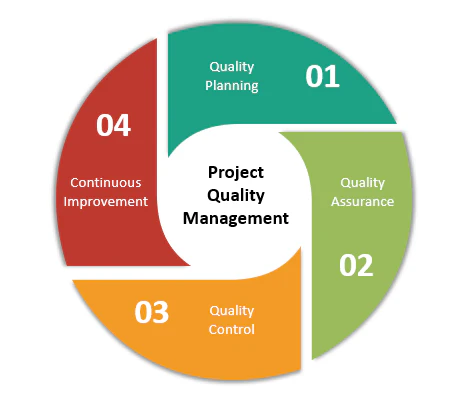
Quality planning involves identifying which quality standards are relevant to a project and determining how to meet them. It is a major component of the Project Quality Management framework defined by PMI.
In simple terms:
Quality Planning = Defining what “good” looks like + Creating a roadmap to achieve it
It involves:
- Understanding customer expectations
- Setting measurable quality objectives
- Identifying quality metrics
- Outlining procedures, checks, and controls
- Assigning responsibilities for quality activities
The aim of quality planning is to ensure the final outcome aligns with the project’s goals and meets or exceeds customer expectations.
Why Is Quality Planning Important in Project Management?
Quality planning is crucial throughout the entire project lifecycle. Here’s why:
1. Avoids Costly Rework
One of the biggest reasons projects fail is realizing too late that the output does not meet quality expectations. Rework costs time, money, and valuable resources.
With effective quality planning:
- Risks are identified early
- Standards are clearly understood
- Requirements are validated before execution begins
This significantly reduces errors, delays, and unnecessary rework.
2. Builds Customer Satisfaction
The ultimate goal of project management is to deliver results that satisfy the customer.
When quality planning is done well:
- Deliverables meet expectations
- Features perform as promised
- The final product feels reliable and professional
Consistent quality helps build long-term client relationships—something every organization values, including Total Educator.
3. Enhances Team Efficiency
When a team knows the quality standards from day one, they can align their work accordingly.
Quality planning helps teams:
- Understand their responsibilities
- Follow clear guidelines
- Work with fewer conflicts
- Reduce operational confusion
A structured quality plan serves as a “quality map” for the entire project team.
4. Aligns Project Outcomes With Organizational Goals
Each organization has its own standards, compliance requirements, and quality benchmarks.
Quality planning ensures:
- Deliverables reflect company values
- Industry compliance is met
- Risks and failures are minimized
In industries where Total Educator trains professionals—such as IT, construction, healthcare, and education—quality compliance is not optional but essential.
5. Supports Better Decision-Making
Quality planning includes stakeholder consultations, data gathering, and risk analysis. These inputs help project managers make informed decisions throughout the project lifecycle.
It helps answer:
- What features are “must-have” vs. “nice to have”?
- Which risks require immediate mitigation?
- Which quality metrics must be monitored closely?
- How should quality responsibilities be assigned?
Better decisions ultimately lead to better outcomes.
6. Reduces Project Risks
When quality criteria are defined early, teams can detect potential issues before they turn into major problems.
Examples include:
- Missing functionality
- Poor performance
- Non-compliance with industry regulations
- Low durability or reliability
- Negative customer feedback
Quality planning increases project resilience and reduces the likelihood of critical failures.
7. Ensures Consistency in Deliverables
Consistency is one of the strongest indicators of a mature project management process. It builds trust, reliability, and long-term value.
A quality plan helps establish:
- Standard operating procedures (SOPs)
- Checklists
- Documentation practices
- Inspection methods
This ensures every deliverable maintains the same level of excellence—a principle Total Educator emphasizes in its project management training.
Key Elements of Effective Quality Planning
If you’re a project manager or aspiring to be one, your quality plan should include the following components:
1. Quality Objectives
These define what the project must achieve in terms of quality.
Examples:
- Website should load within 3 seconds.
- Training program must achieve a 95% satisfaction score.
- Product must comply with ISO standards.
2. Quality Standards
These are the guidelines and benchmarks that must be followed.
Examples:
- ISO 9001
- Company’s internal QA guidelines
- Legal or compliance standards
- Client-supplied specifications
3. Quality Metrics
These indicators help measure and monitor quality performance.
Examples:
- Failure rate
- Response time
- Customer satisfaction score
- Performance benchmarks
4. Roles & Responsibilities
Define who is responsible for each quality-related task:
- Quality Manager
- Project Manager
- QA/QC team
- Testing team
- Reviewers/Approvers
This helps eliminate confusion and overlap.
5. Quality Tools & Techniques
Common tools used to maintain quality include:
- Checklists
- Control charts
- Fishbone diagrams (Ishikawa)
- Cause-and-effect analysis
- Flowcharts
- Quality audits
These tools help project teams monitor, analyze, and improve quality consistently.
6. Quality Assurance (QA) & Quality Control (QC)
- Quality Assurance (QA): Ensures the process is correct.
- Quality Control (QC): Ensures the final product is correct.
Both must be clearly defined and integrated into the quality plan.
How Total Educator Supports Quality Planning Skills
With careers in project management expanding rapidly in India and globally, developing strong quality planning skills has become essential.
Total Educator helps learners:
- Understand frameworks like PMI and ISO
- Build practical project management skills
- Learn QA & QC tools
- Prepare for roles such as Project Manager, Project Coordinator, Quality Analyst, PMO Executive, and more
Better quality planning knowledge leads to stronger project execution.
Final Thoughts
Quality planning is much more than a document—it’s a mindset. It ensures that every project runs smoothly, meets expectations, and delivers long-term value. Whether it’s a software project, training initiative, or construction assignment, quality planning is essential for success.
Organizations like Total Educator consistently emphasize quality planning because it directly impacts customer satisfaction, team efficiency, and overall project performance.
If you want your projects to stand out, begin with quality, plan for quality, and build with quality.